When I finished writing about Batman, one question kept hanging around: What happens when we stop waiting for someone else to take responsibility? This page is where we take that question a little further.


I told you in the book about my first Batmobile.
Christmas morning. Seven years old. Pedal powered. And as far as I was concerned, completely real.
I drove that thing all over our yard and up and down our gravel driveway. Every trip was a mission.
Then came the grass fire.
We burned our trash in those days, and one afternoon the fire got away from us. Unfortunately, my Batmobile was parked directly in its path.
By the time the fire was out, one of the greatest Christmas presents I'd ever received had become a melted blob of plastic.
I was devastated.
Apparently, I never completely got over it.


Batman never really left.
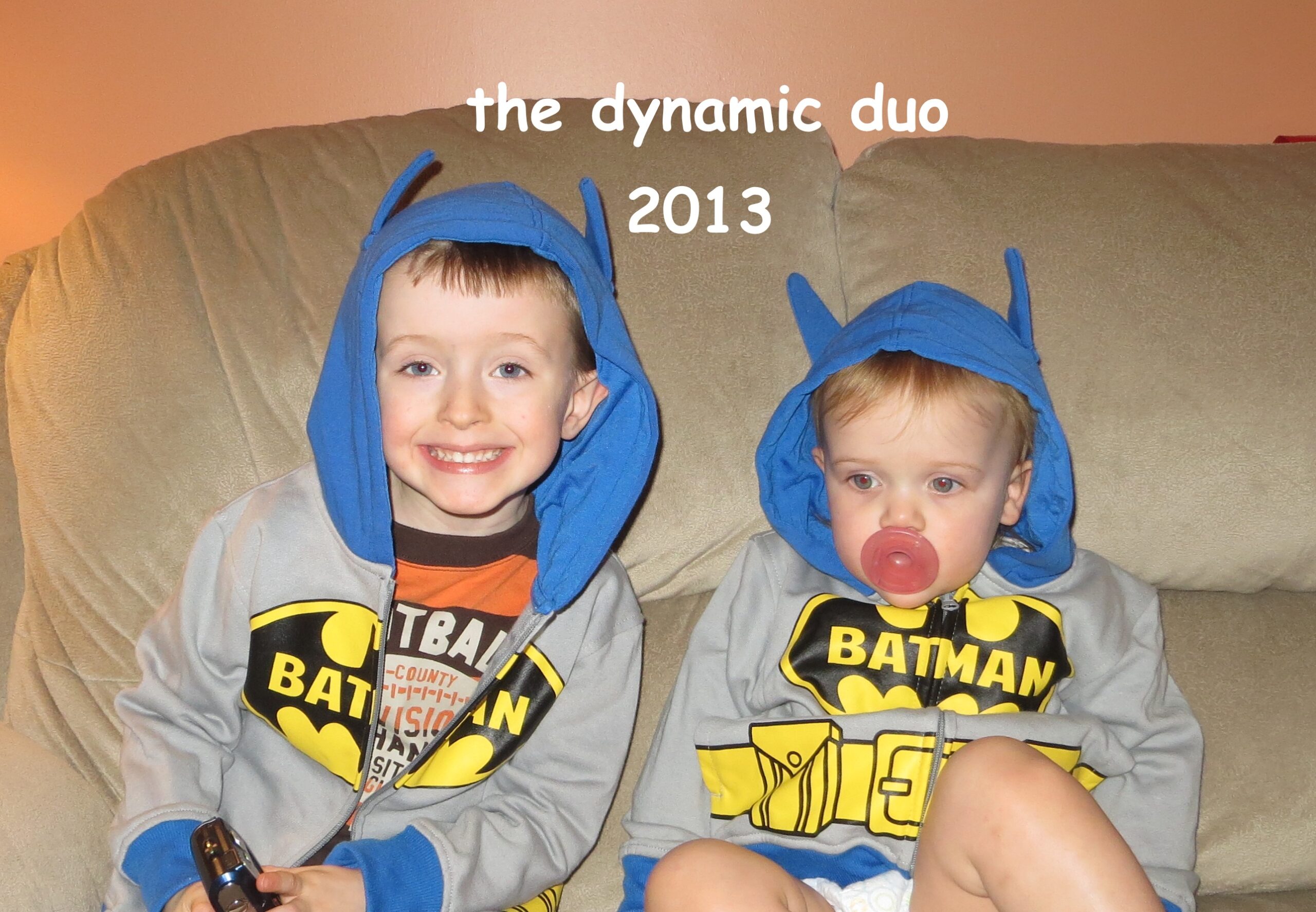
There have been Batman costumes. Batman pajamas. Batman toys. Batmobiles. A Batplane. Caleb got involved. Ellie got involved. I got involved.
I even own a Batman cowl.
So maybe we do have a Batman problem.
But somewhere along the way, Batman changed for me.
As a kid, I was fascinated by what Batman had.
As I got older, I became much more interested in what Bruce Wayne decided.
Something happened to him that he could not change.
But what happened next belonged to him.

Batman is interesting by himself.
But I think he gets even more interesting when Robin shows up.
Because eventually Bruce Wayne had to make a decision every leader has to make.
Would he simply keep doing the work himself?
Or would he prepare somebody else to do it?
Robin wasn't supposed to remain Robin forever.
Eventually, Dick Grayson became Nightwing. He stepped out of Batman's shadow and became capable of standing on his own.

What you have heard from me in the presence of many witnesses entrust to faithful men, who will be able to teach others also.
— 2 Timothy 2:2 (ESV)
Leadership gets smaller when everything has to come through you.
Batman eventually had to let Robin become Nightwing.
Paul told Timothy to do the same thing: Take what was entrusted to you and entrust it to somebody else.
So who are you preparing?


Who are you preparing to do what you know how to do?
What are you still doing yourself that someone else needs to learn?
What do you know that needs to be entrusted—not just kept?
If you stepped away tomorrow, who would be ready to carry it forward?
Name one person.
Not a position. Not “my team.” Not somebody someday.
One person.
Who could you intentionally begin preparing?
Now give them something real.
What is one thing you know, do, or carry that you could begin entrusting to this person?
Not everything. Just the next thing.
I will entrust: ________________________________
You don't have to hand them everything.
Hand them the next thing.
Because the moment you actually try to prepare somebody, the questions start.
What if they're not ready?
What if they mess it up?
What if teaching them takes longer than doing it myself?
What if they don't do it the way I would?
They probably aren't completely ready. Neither were you.
They probably will mess something up. So did you.
And yes, teaching them will take longer—at first.
Preparing somebody doesn't mean handing them everything. Give them something real. Stay close enough to help. Let them make decisions. Then give them a little more.
And if they do it differently than you would?
Don't confuse different with wrong.
You don't have to hand them the whole thing.
Hand them the next thing.
Some questions don't fit neatly on a worksheet.
Maybe you're trying to prepare someone and you're not sure where to begin. Maybe you've tried handing something off and it didn't go well. Or maybe you know you're holding onto something too tightly.
Ask me.
Tell me what's happening. Who are you trying to prepare? What are you having trouble letting go of? Where are you getting stuck?
I'll help you think through the next step.
What are you trying to prepare someone else to do?
Q: How do I know when someone is ready for more responsibility?
Probably before you think they are.
I don’t think the goal is to wait until somebody can do something exactly the way you would do it. If that’s the standard, we’ll probably never hand much away.
Start smaller.
Give them something real enough to matter, but small enough that a mistake won’t sink the ship. Stay close. Answer questions. Let them wrestle with it a little.
Then watch what they do.
Do they ask good questions? Do they follow through? Do they own the mistake when something goes wrong? Do they come back wanting to learn?
That tells you a lot more than waiting until you’re certain they’re ready.
At some point, somebody trusted you before you had it all figured out too.
Q: What if they do it differently than I would?
Probably count on it.
If you’ve done something for years, you’ve developed your way of doing it. You know the shortcuts. You know what to watch for. You know how you like it done.
Then you hand it to somebody else—and they don’t do it your way.
That can be harder than handing it off in the first place.
Before you step back in, ask yourself a better question:
Is their way actually wrong, or is it just different from mine?
If the result matters, be clear about the result. If there are guardrails they need to know, teach them. If a mistake would really hurt someone or damage something important, stay close.
But don't require them to become you.
Don't confuse different with wrong.
Q: How do I know when to step back?
When they begin carrying the responsibility without waiting for you to carry it with them.
That doesn't mean they never ask a question. It doesn't mean they won't make mistakes. And it certainly doesn't mean they'll do everything exactly the way you would.
Watch for something simpler.
Do they take ownership?
Do they think before coming to you?
Do they bring possible answers instead of only problems?
Do they recover when something goes wrong?
If so, give them a little more room.
Preparing someone isn't a switch you flip. It's more like loosening your grip a little at a time.
The goal isn't for them to need you forever.
The goal is for them to become ready for someone else to need them.

Responsibility sounds like a big word.
Most Monday mornings, it isn’t.
It’s the phone call you’ve been putting off. The conversation you know you need to have. The decision you keep waiting for somebody else to make.
And sometimes responsibility means something else entirely.
It means realizing you’ve been carrying something too long.
Batman eventually had to let Robin do more than follow him around. If Dick Grayson was ever going to become Nightwing, Bruce had to trust him with real responsibility.
Paul said it even better:
“What you have heard from me... entrust to faithful men, who will be able to teach others also.” — 2 Timothy 2:2
So Monday morning, ask yourself two questions:
What belongs to me?
Own it. Do it. Stop waiting for somebody else.
Then ask:
What am I still holding that it’s time to entrust to someone else?
Teach them. Let them try. Let them make a few mistakes. Give them something real to carry.
Because responsibility isn’t just owning what belongs to you.
It’s preparing somebody else for what will eventually belong to them.
Own What’s Yours. Entrust What’s Next.
Download the “"Own What's Yours" Page