Home / Charlie Brown

Chapter 1
Charlie Brown
Keep Showing Up
When I finished writing this chapter, I realized there were stories I never told and lessons I didn't have room to include. This page is where the conversation continues.
When I finished writing this chapter, I realized there were stories I never told and lessons I didn't have room to include. This page is where the conversation continues.
There are Charlie Brown moments that make us laugh. Then there are the moments that stay with us for the rest of our lives.
In May of 2019, I was scheduled to have surgery for diverticulitis. While any surgery carries risk, a colon resection is a fairly common procedure with a predictable recovery. During my pre-operative consultation, my surgeon explained that I had two options. The first was a traditional open abdominal surgery. It would be a shorter operation, but recovery would take about six weeks. The second option was to use the Da Vinci robotic surgical system. The operation itself would take longer, but if everything went according to plan, I would likely be back on my feet in about two weeks.
As he walked me through the procedure, he also mentioned that there was always a very small chance something could go wrong. It wasn't presented as a reason to avoid the robotic surgery, only as one of the risks that accompany any operation. Two weeks sounded much better than six, so I chose the robotic approach.
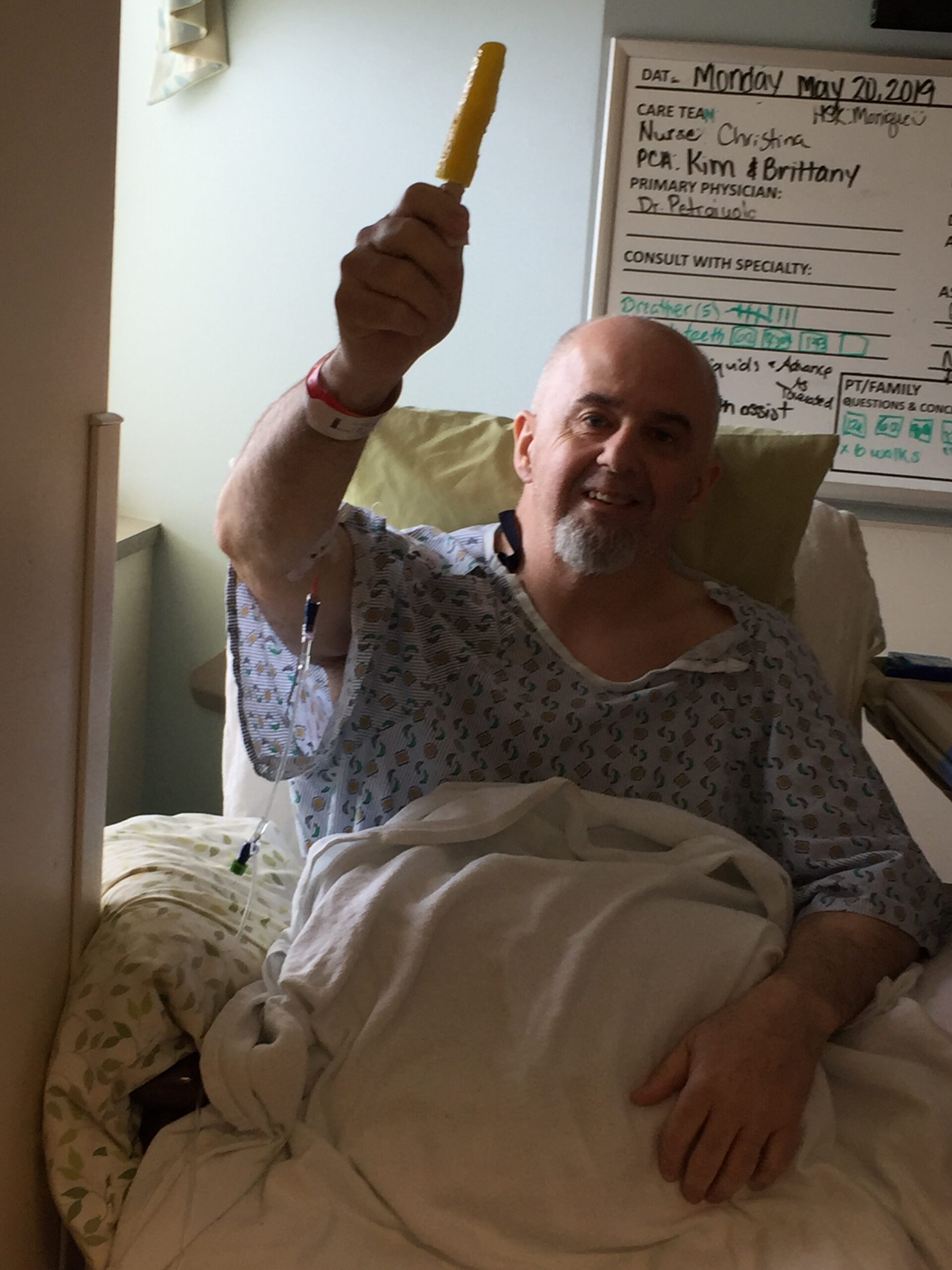
The surgery itself seemed to go well. After recovery, I was taken to my room where Julie and the rest of my family were waiting. We celebrated what we believed was the beginning of a normal recovery. Because of the type of surgery I had undergone, I spent the first day on liquids before gradually being allowed to eat solid food. By the second day I was happily enjoying what only a hospital patient could call a wonderful meal.
Over the next several days, the nurses monitored the normal signs of recovery. I was walking the halls, eating, and doing everything I had been asked to do. There was only one problem. Nothing was moving. I could belch, but after several days I still hadn't had a bowel movement. At the same time my abdomen continued to swell until I joked that I looked eight months pregnant.
After five days my surgeon felt I was ready to be discharged. Julie wasn't convinced. She pointed out that I still hadn't had a bowel movement and that my breathing seemed more labored than normal. I hadn't really noticed it myself, and the doctor initially believed everything was progressing as expected. To reassure all of us, he ordered a chest X-ray before sending me home.
The X-ray revealed something that wasn't quite right. It could have been trapped air from the surgery or it could have been fluid, so a CT scan was ordered later that afternoon. Before long I was told that the scan had raised enough concern that another physician would be reviewing it. Instead of packing my bags to go home, I settled in for what I assumed would be one more night in the hospital while everyone figured out what they were seeing.
Julie went home that evening to take care of things around the house. She had been mowing the yard and needed to clean up before coming back the next morning. I assured her everything would be fine and told her to get some rest because I didn't expect anything to happen overnight.
A few hours later my surgeon walked into my room and told me he had called in an emergency surgical team. I needed to go back into surgery immediately. I called home, and our daughter Emily answered the phone. Julie was in the shower, so I asked Emily to interrupt her. When Julie came to the phone, I told her what was happening and that she probably wouldn't make it back to the hospital before they took me into surgery. We told each other we loved one another, and I assured her everything would be okay, although neither of us knew what the next few hours would hold.
That emergency surgery saved my life, but it also marked the beginning of a six-month journey none of us could have imagined. During the original surgery, my surgeon had discovered another section of diseased colon that needed to be removed. In the process of repositioning the Da Vinci equipment, it appears the cauterizing mechanism nicked another part of my colon. Like any burn, the damaged area blistered, and sometime during the days that followed, that blister ruptured.
The contents of my colon had begun leaking into my abdomen. By the time the CT scan revealed that something was terribly wrong, I was in serious danger as I had become septic. What had started five days earlier as a fairly routine surgery with an expected two-week recovery had suddenly become a fight for my life.
The emergency surgery lasted about five hours and wasn't finished until after midnight. When I woke up, one of the first things I remember doing was asking a nurse whether I was going to make it. She told me yes. At the time, that was about all I needed to hear.
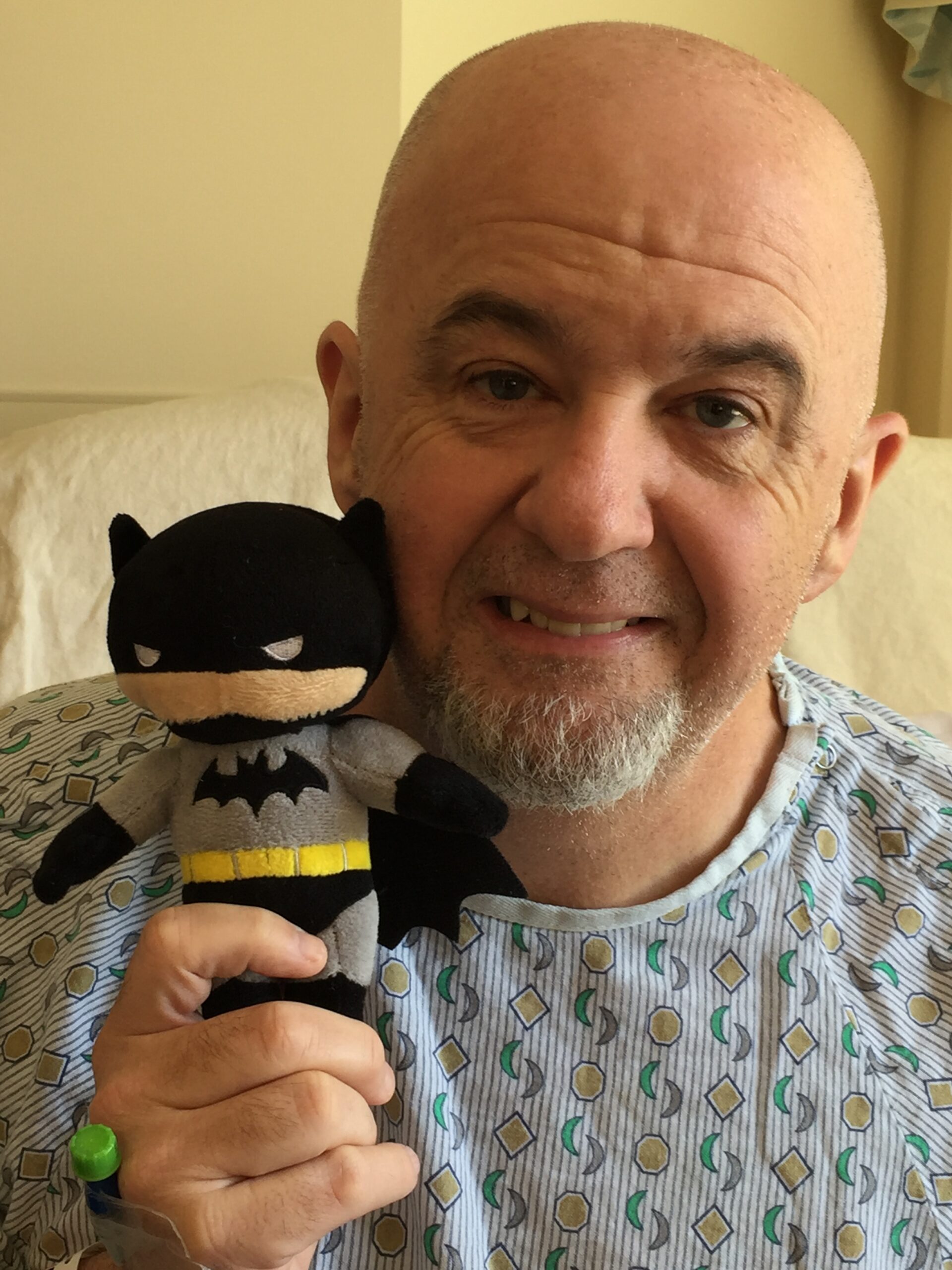
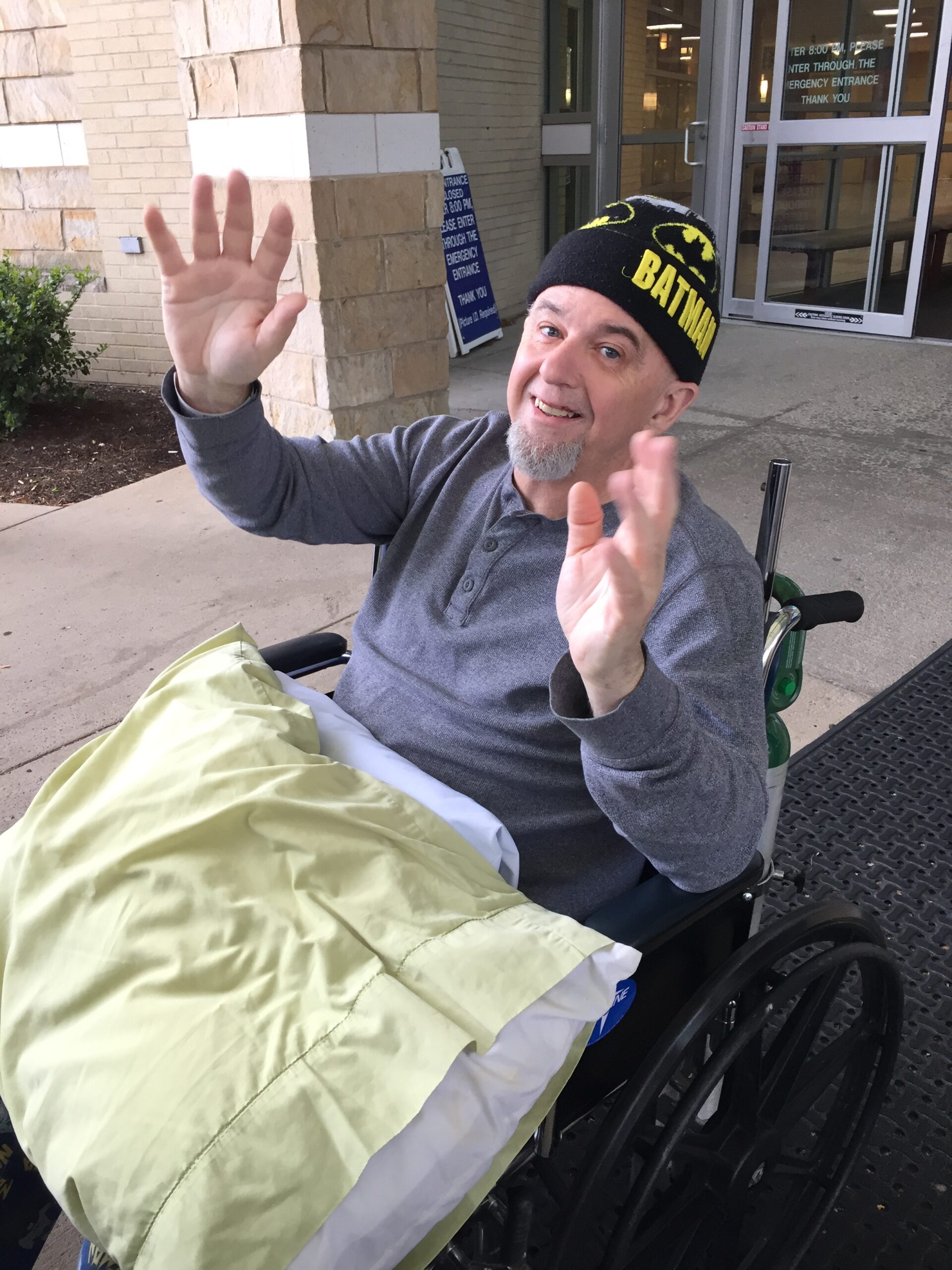
What I didn't yet understand was what surviving was going to look like. I woke up with an open abdominal wound measuring twenty-eight centimeters, an ileostomy, and a wound vac attached to my abdomen. The hospital stay that was supposed to last about five days became thirteen, and when I finally went home, I wasn't going home to the two-week recovery I had chosen when all of this began.
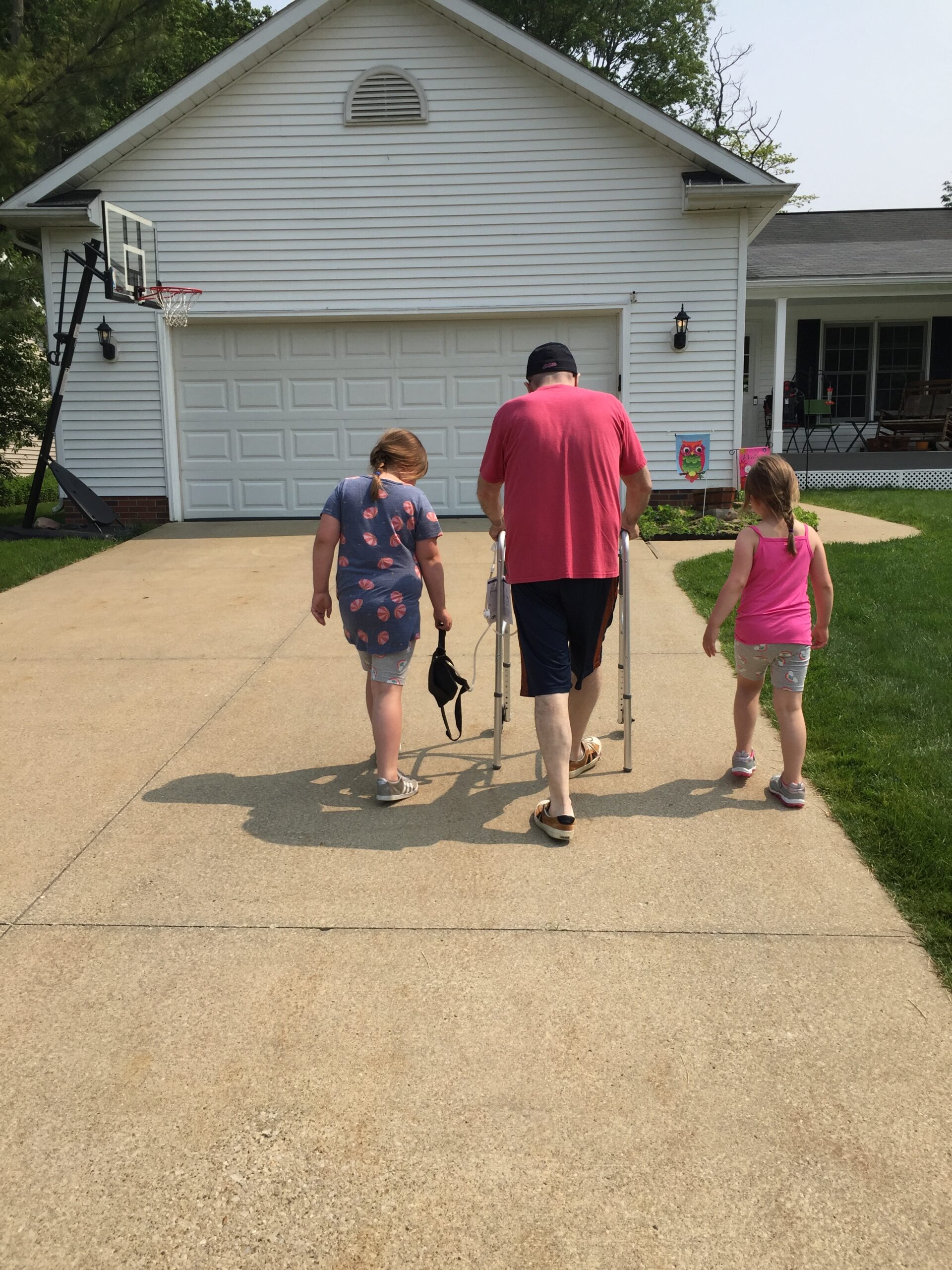
The months that followed brought infections, drain tubes, CT scan after CT scan, doctor's appointments, an ostomy bag I had to learn to live with, and a sixty-pound weight loss. There were days when progress was measured by how far I could walk, whether another tube could come out, or whether I needed one less pain pill than I had the day before.
Eventually, I would make it through. The ileostomy would be reversed. The wound would close. Strength would return. Life would begin to resemble life again. But recovery didn't happen with one heroic moment when I suddenly stood up and declared that everything was going to be fine. It happened slowly, one small win at a time.
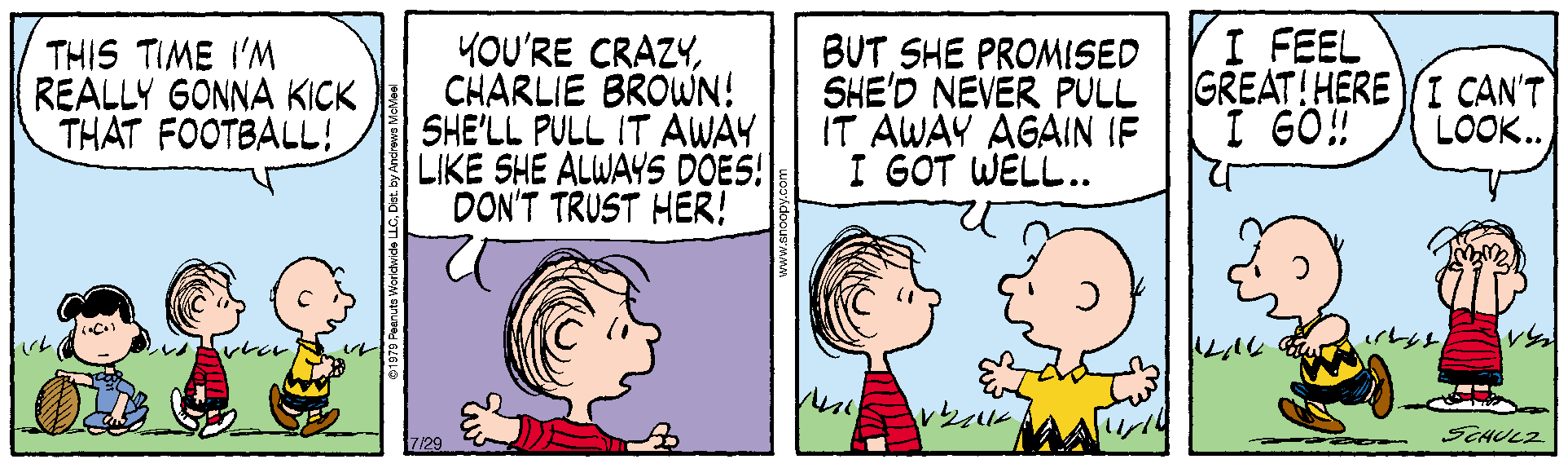
And looking back, maybe that's where Charlie Brown enters the story.
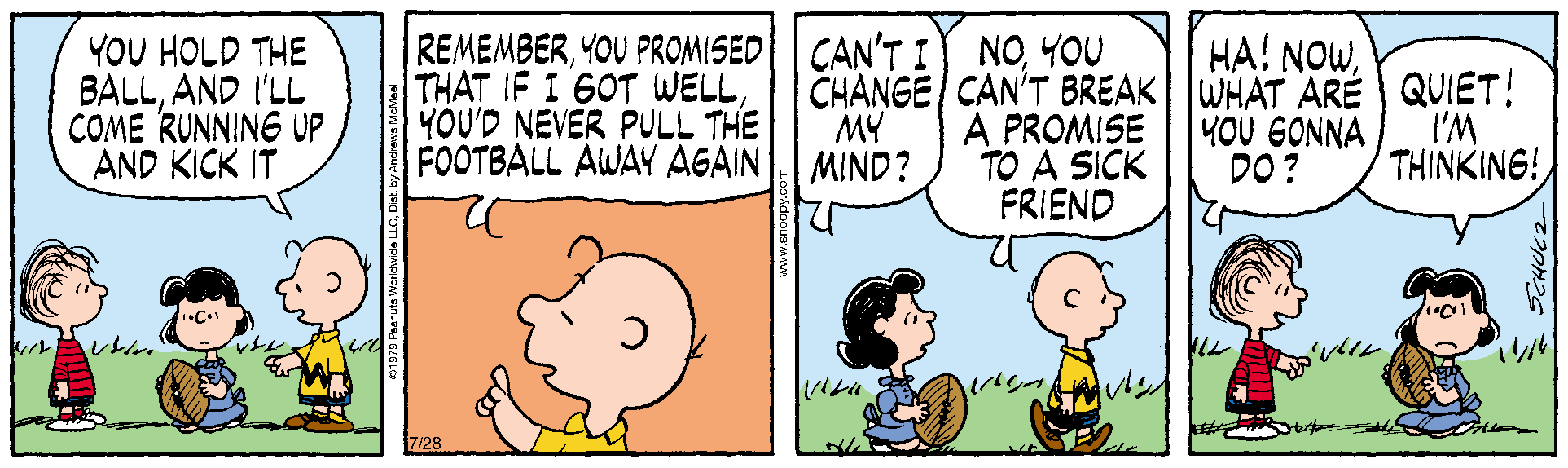
PEANUTS © Peanuts Worldwide LLC. Dist. By ANDREWS MCMEEL SYNDICATION. Reprinted with permission. All rights reserved.
When I first read this strip, I smiled. After 2019, I stopped smiling. I understood it.
When I was lying in that hospital bed, Charlie Brown wasn't on my mind. I wasn't thinking about kites, footballs, or comic strips. I was thinking about whether I would survive, what life would look like if I did, and how quickly everything I had taken for granted had disappeared.
It wasn't until much later that I realized the football had been pulled away. One moment I was making plans for a routine surgery with a short recovery. The next, I was facing emergency surgery, an open abdominal wound, an ileostomy, months of recovery, and questions I couldn't answer. None of it was part of the plan.
Life has a way of doing that. Sometimes the football isn't a missed promotion, a failed business, a broken relationship, or a dream that never materializes. Sometimes it's a phone call, a diagnosis, an accident, or a conversation that changes everything in a single afternoon.
The question isn't whether the football will eventually be pulled away. At some point, it will. The real question is what you'll do after you hit the ground.
That's one of the reasons I have always loved Charlie Brown. He always stood back up. He never confused disappointment with defeat or assumed one painful experience meant there wasn't another tomorrow. Somehow, after every failure, embarrassment, and hard landing, he found the courage to line the football up one more time.
People sometimes mistake that for weakness, but I think it's one of the greatest pictures of resilience ever drawn.
During my recovery, I didn't wake up one morning feeling strong again. I got better one small decision at a time: one walk down the hallway, another lap around the nurses' station, one less pain pill, one drain tube removed, one doctor's appointment that brought encouraging news instead of discouraging news. Healing rarely happens all at once.
Maybe that's one reason Charlie Brown has endured for generations. Charles Schulz understood something about life that most of us don't discover until much later. The disappointments we experience as children are rarely the last disappointments we'll face. If anything, they prepare us for the bigger ones that come with adulthood.
As a kid, I laughed every time Lucy pulled the football away because Charlie Brown always believed this time would be different. As an adult, I don't laugh at those strips the same way anymore. I've lived long enough to know what it feels like to have the football pulled away.
Sometimes it comes in the form of a business that doesn't work out the way you hoped. Sometimes it's a ministry that doesn't unfold the way you prayed it would. Sometimes it's a relationship that changes or a dream that quietly slips away. And sometimes it arrives in a hospital room when what was supposed to be a routine surgery suddenly becomes a fight for your life.
I don't think Charles Schulz was teaching us how to avoid disappointment. I think he was showing us something far more valuable. Charlie Brown never allowed one painful experience to define the rest of his life. Every time Lucy invited him to kick the football again, hope whispered, Maybe this time.
That doesn't make Charlie Brown naïve. It means he refuses to let disappointment become his identity. Looking back on my own life, I can see that some of my greatest growth didn't happen after the victories. It happened after the football was pulled away. Those seasons taught me patience, dependence, gratitude, and compassion in ways success never could. I certainly wouldn't choose those experiences again, but I also wouldn't want to lose what they produced in me.
Maybe that's why Charlie Brown still matters.
He reminds us that resilience isn't found in finally kicking the football. It's found in getting back up, brushing yourself off, and believing tomorrow is still worth showing up for.
You know you might miss. You know the ball might get pulled away again.
Resilience isn't believing this time will be different. It's deciding that what happened last time doesn't get to make this decision for you.
Charlie Brown ran anyway.
Now let's figure out what your football is.
Resilience doesn't mean running toward every football forever.
Sometimes experience is trying to teach us something. There are things worth trying again—and things we're finally strong enough to leave behind.
The question is whether you're walking away because you've made a wise decision, or because you're afraid of getting knocked down again.
Now let's figure out what your football is.
Getting back up is one thing.
Eventually, you have to trust yourself enough to try again.
Charlie Brown knew exactly what could happen.
He ran toward the football anyway.
Prefer paper and pencil? The What’s Your Football? Worksheet takes this exercise a little deeper and gives you room to work through what happened, what may still be holding you back, and what running toward the ball could look like next.
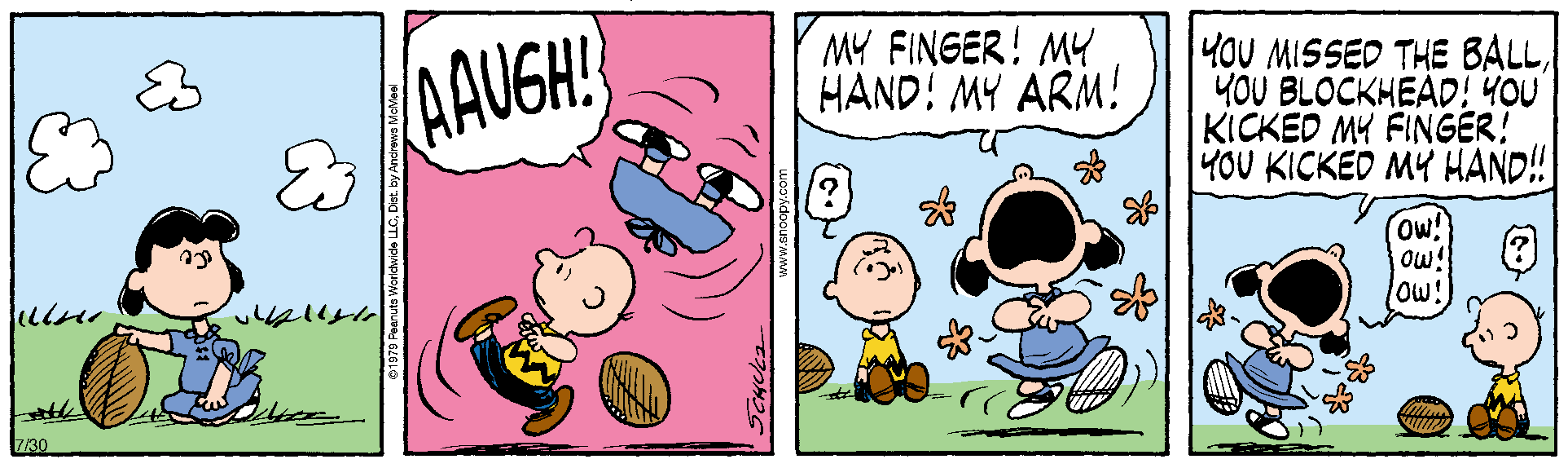
Charlie Brown finally got what he'd been waiting for. Lucy didn't pull the football away.
And he still didn't kick it.
That's the part nobody can promise us. Getting back up doesn't guarantee the next attempt will work. Sometimes you take the risk, do the right thing, run toward the ball—and still end up flat on your back.
Resilience isn't knowing how the next attempt will turn out.
It's deciding the last one doesn't get to be your last one.
Charlie Brown never knew whether Lucy would pull the football away. He ran toward it anyway.
That may be the part of resilience we miss. Getting back up doesn’t mean believing everything will work this time, forgetting what happened last time, or pretending it didn’t hurt. It means refusing to let what happened yesterday make every decision about tomorrow.
You’ve named your football. Now you don’t have to fix everything or have the whole plan figured out. You just have to decide what running toward the ball looks like next.
So what can you do Monday morning?
Not someday. Not when you feel more confident. Not when you know how it turns out.
Just Monday morning.
Run toward the ball.
Download the “Run Toward the Ball” Action Plan